
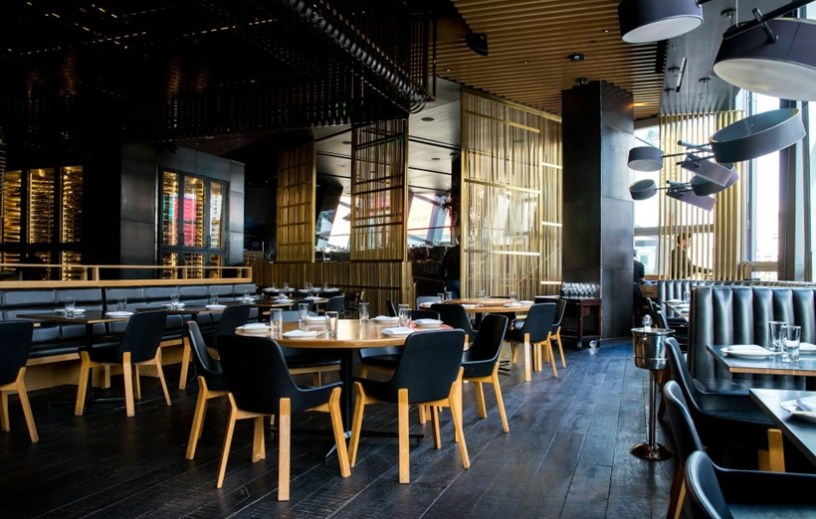
Competition among restaurants intensifies each year as new concepts open while established venues fight to maintain customer loyalty. Unlike retail stores where product inventory drives purchase decisions, restaurants sell experiences that customers evaluate through ambiguous criteria like atmosphere, service quality, food taste, and overall value.
Restaurant marketing faces unique challenges. Foot traffic no longer guarantees discovery in the age of food delivery apps and reservation platforms. Diners research restaurants extensively before visiting, scrolling through menu photos, reading reviews, and comparing prices. The establishments that appear appealing in digital spaces capture customers before they ever see physical locations.
Restaurant Owners Share Their Marketing Experiences
Several restaurant operators have documented their experiences implementing digital marketing strategies for local dining establishments. Hibu serves over 70,000 local businesses, including restaurants competing in various market segments.
An Indiana restaurant owner emphasized the comprehensive support and professionalism. “If you are looking to market your business online, then there is no one better than Hibu in town; they are friendly and professional,” the owner shared. The restaurant appreciated the clear communication that addressed concerns without typical sales pressure tactics. “Explained everything upfront in simplest way possible. I would recommend them to anyone who wants to grow their business.”
Ongoing support matters for restaurant operators focused on food service rather than marketing management. The same owner noted appreciation for working with representatives who function “as friend not as typical sales person.” This collaborative approach proves valuable for busy restaurant owners managing kitchen operations, staff scheduling, and customer service simultaneously.
Performance tracking helps restaurants understand marketing return on investment. Restaurants generate relatively consistent transaction sizes, allowing clearer measurement of covers resulting from Hibu advertising campaigns.
Digital Marketing Approaches That Work for Restaurants
Google Business Profile proves essential for “restaurants near me” searches. Geographic proximity heavily influences dining decisions, particularly for casual meals rather than special occasions. The restaurants ranking highest in local map results for their neighborhoods capture the first clicks from hungry searchers.
Menu integration with online listings reduces friction. Potential customers researching restaurants want immediate access to menus, prices, and dietary accommodation information. Establishments that make this information easily accessible through Google Business Profiles and their own websites reduce the effort required for dining decisions.
Review response management shapes restaurant reputation. Unlike many service industries where individual negative reviews carry limited weight, restaurants face severe consequences from unaddressed complaints. Professional responses to both positive and negative feedback demonstrate care about customer experience.
Reservation system integration captures impulse bookings. When potential diners visit restaurant websites after seeing appetizing menu photos, immediate online reservation capabilities convert interest into actual bookings. Establishments requiring phone calls during business hours lose these impulse reservations.
Social media advertising featuring visual food content generates awareness. Platforms emphasizing photography suit restaurants naturally. The establishments that consistently share high-quality images of seasonal specials and signature dishes typically generate more engagement.
Restaurant owners occasionally discuss operational challenges in food service forums and local business communities, sharing experiences about staffing difficulties and food cost inflation.
Building Restaurant Reputation in Competitive Markets
Atmosphere photography helps diners imagine experiences. Restaurants sell ambiance as much as food. Interior photos showing dining room aesthetics help potential customers determine whether establishments match their desired dining atmosphere before visiting.
Seasonal menu marketing maintains interest. Restaurants that update menus seasonally benefit from promoting new offerings through digital channels. For restaurants, digital visibility with Hibu directly influences table turnover and revenue. Hibu reviews from operators consistently mention the connection between improved online presence and increased dining traffic.
 The Best Business Blog