
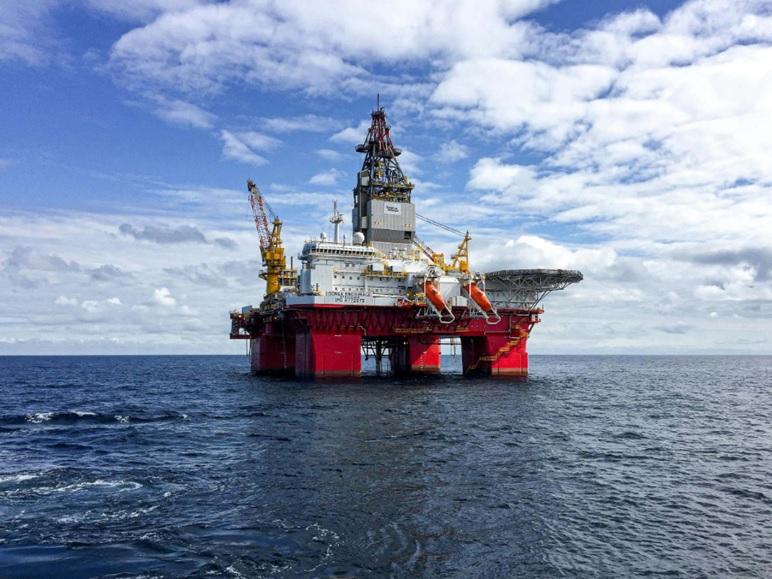
In the race for stronger, more efficient energy solutions, heavy tungsten alloy has quietly emerged as a game-changer. With unmatched density, durability, and resistance to extreme conditions, it plays a crucial role in powering everything from oil drilling rigs to nuclear reactors. Yet, many industry professionals remain unaware of its full potential.
But what makes heavy tungsten alloy so vital? How is it revolutionizing modern energy sectors? And why is its demand rising?
1. What is Heavy Tungsten Alloy?
Heavy tungsten alloys (HTAs) are metal composites with high tungsten content (90-97%), combined with nickel, iron, or copper. Unlike pure tungsten, these alloys offer improved machinability, strength, and resistance to wear and corrosion. These properties make HTAs indispensable in energy applications requiring extreme resilience.
2. How Heavy Tungsten Alloy Powers the Energy Industry
Oil & Gas: Drilling Deeper, Lasting Longer
The oil and gas sector operates under relentless heat, pressure, and friction. HTAs provide the durability needed for drill collars, stabilizers, and measurement-while-drilling (MWD) components. Their extreme density reduces vibration and improves the precision of drilling operations. Learn more about HTAs and their use in the Oil & Gas industry.
- Drill Collars & Rotary Steerable Tools – HTAs add weight to drilling assemblies, allowing deeper, more stable drilling.
- MWD Components & Logging Tools – Used in sensors and gamma-ray shielding, ensuring reliable data collection in harsh conditions.
- Valve & Pump Components – Withstand high wear and corrosion from crude oil extraction.
Nuclear Energy: Unrivaled Radiation Shielding
As nuclear power plants demand safer, more effective shielding, heavy tungsten alloy proves superior to traditional materials like lead. With its ultra-high density, it absorbs radiation efficiently while taking up minimal space.
- Nuclear Reactor Shielding – HTAs are used in reactor cores, containment structures, and portable shielding.
- Medical & Industrial Radiation Protection – Crucial in radiation therapy, gamma-ray inspection, and isotope transport containers.
- Fusion Energy Applications – HTAs are being explored for use in next-gen fusion reactors due to their extreme heat resistance.
Renewable Energy: Strength in Sustainability
While often associated with fossil fuels and nuclear power, heavy tungsten alloys are also finding applications in the renewable energy sector.
- Wind Turbine Balancing Weights – Enhance stability and performance of large-scale turbines.
- Hydroelectric Turbine Components – Withstand constant water exposure and high-speed impact forces.
- Geothermal Drilling Tools – Resist intense heat and corrosion from underground drilling.
Advanced Energy Technologies: The Future of Tungsten Alloys
With global energy demands rising, HTAs are now playing a role in cutting-edge power solutions.
- Space-Based Solar Power (SBSP) – Used in satellite shielding and energy transmission components.
- Fusion Reactors – As research into nuclear fusion advances, HTAs are being tested for their ability to withstand plasma exposure.
- Battery and Energy Storage Systems – HTAs improve heat management in next-generation battery technologies.
3. Why Heavy Tungsten Alloy Outperforms Other Metals
Heavy tungsten alloy is the preferred choice for energy applications due to its exceptional physical properties. Its density, which ranges from 17 to 19 g/cm³, is significantly higher than that of steel (7.8 g/cm³) or lead (11.3 g/cm³). This makes it ideal for radiation shielding and vibration damping. Additionally, HTAs boast an extremely high melting point of over 3,400°C, compared to steel at 1,370°C and lead at just 327°C. Their superior corrosion resistance ensures longevity in harsh environments, and they outperform lead in radiation absorption without toxicity concerns. Unlike steel, which may corrode under extreme conditions, HTAs maintain their integrity, making them a cost-effective and durable investment for energy applications.
HTAs outperform lead in radiation shielding while avoiding toxicity issues. They also last longer than steel in harsh conditions, making them a cost-effective investment.
4. The Growing Demand for Heavy Tungsten Alloy in Energy
With the global energy transition in full swing, tungsten’s demand is expected to surge. Reports suggest that the market for heavy tungsten alloys in energy applications will grow at a CAGR of 6-8% over the next decade.
Factors driving this growth include:
- Increased Oil & Gas Exploration – Deepwater and unconventional drilling require tougher materials.
- Nuclear Energy Expansion – Many countries are investing in next-gen nuclear reactors.
- Renewable Energy Development – High-performance materials are essential for sustainability efforts.
- Rising Safety Regulations – Stricter standards demand better radiation shielding.
Conclusion: A Future Powered by Heavy Tungsten Alloy
Heavy tungsten alloy isn’t just a supporting player in the energy industry—it’s becoming a cornerstone material for efficiency, safety, and sustainability. Whether in oil & gas drilling, nuclear shielding, or renewable energy, its exceptional durability and high-performance capabilities make it indispensable.
As energy demands evolve, one thing is clear: tungsten’s role in powering the future is just beginning.
 The Best Business Blog