
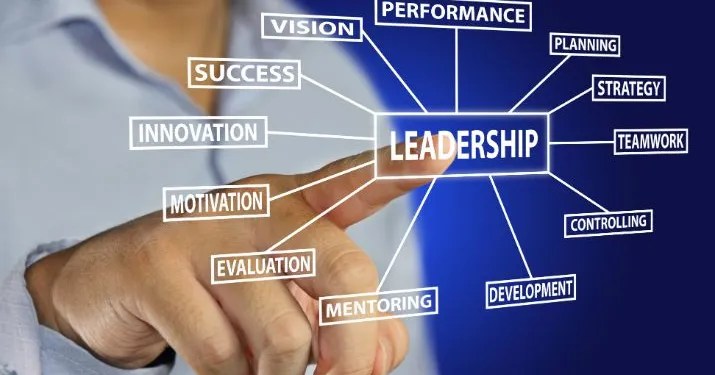
Effective management is a multifaceted discipline that involves guiding individuals and teams towards achieving organizational goals. It requires a blend of strategic planning, resource coordination, and leadership skills. In this article, we will delve into the core principles of management, exploring essential strategies that can help leaders navigate the complexities of their roles and drive their teams toward success.
The Cornerstones of Effective Management
At its core, management is about orchestrating resources and people to achieve specific objectives. This process is divided into several fundamental functions: planning, organizing, leading, and controlling. Each of these functions plays a crucial role in ensuring that organizational goals are met efficiently and effectively.
1. Planning: Charting the Course
Planning is the initial step in the management process, laying the groundwork for all subsequent actions. It involves setting objectives and determining the most effective strategies for achieving them. Key aspects of planning include:
- Defining Objectives: Clearly articulate the goals that need to be achieved. These should be specific, measurable, achievable, relevant, and time-bound (SMART) to provide clear direction and focus.
- Strategic Analysis: Assess the current environment to understand internal strengths and weaknesses, as well as external opportunities and threats. This analysis helps in making informed decisions and crafting effective strategies.
- Resource Allocation: Determine the resources—such as budget, personnel, and technology—required to implement the plan. Proper allocation ensures that resources are used efficiently and effectively.
2. Organizing: Structuring for Success
Once planning is complete, organizing comes into play. This function involves arranging resources and tasks in a structured manner to implement the plan. Effective organizing involves:
- Designing Organizational Structure: Create a framework that defines roles, responsibilities, and reporting relationships within the team. This structure helps in streamlining processes and clarifying expectations.
- Task Delegation: Assign tasks to team members based on their skills and expertise. Delegation empowers employees and ensures that tasks are completed efficiently.
- Resource Management: Ensure that resources are available and utilized effectively throughout the process. Proper management prevents resource wastage and optimizes performance.
3. Leading: Inspiring and Guiding
Leadership is a critical component of management that involves motivating and guiding team members toward achieving goals. Effective leadership encompasses:
- Effective Communication: Maintain open and transparent communication channels. Sharing information and providing feedback helps in aligning team efforts and resolving issues.
- Motivation Techniques: Utilize various methods to inspire and encourage team members, such as recognition, rewards, and opportunities for professional growth.
- Conflict Resolution: Address and resolve conflicts promptly and constructively. A positive work environment enhances team cohesion and productivity.
4. Controlling: Monitoring and Adjusting
Controlling involves tracking performance to ensure that objectives are being met and making adjustments as necessary. This function includes:
- Performance Measurement: Use key performance indicators (KPIs) and other metrics to evaluate progress towards goals. Regular measurement helps in identifying areas of success and areas needing improvement.
- Feedback Mechanisms: Implement systems for gathering feedback from team members, stakeholders, and customers. Feedback provides valuable insights into performance and areas for enhancement.
- Corrective Actions: Identify and address any deviations from the plan. Making timely adjustments ensures that the team stays on track to achieve its goals.
Advanced Management Techniques
To enhance management effectiveness, leaders can incorporate advanced techniques into their practices. Some notable methods include:
- Project Management: Employ project management methodologies such as Agile or Waterfall to plan, execute, and monitor projects. These approaches help in managing complexities and ensuring project success.
- Time Management: Implement time management strategies to prioritize tasks, set deadlines, and avoid procrastination. Effective time management maximizes productivity and efficiency.
- Risk Management: Identify potential risks and develop strategies to mitigate their impact. Proactive risk management helps in preparing for uncertainties and minimizing disruptions.
Fostering a Positive Work Environment
A productive work environment is crucial for achieving organizational success. Managers can foster such an environment by:
- Promoting Collaboration: Encourage teamwork and cooperation among team members. Collaborative efforts enhance creativity, problem-solving, and overall team performance.
- Supporting Professional Development: Invest in training and development opportunities for employees. Professional growth contributes to job satisfaction and career advancement.
- Maintaining Work-Life Balance: Support flexible work arrangements and promote a healthy balance between work and personal life. A balanced approach improves employee well-being and productivity.
Embracing Continuous Improvement
Management is an ongoing process that requires continuous evaluation and refinement. To drive continuous improvement:
- Regular Reviews: Conduct periodic assessments of goals, strategies, and performance. Regular reviews help in identifying areas for improvement and ensuring alignment with organizational objectives.
- Feedback Collection: Collect feedback from various sources to gain insights into performance and areas needing adjustment. Use this feedback to make informed decisions and drive improvements.
- Adaptation: Be open to adapting strategies and practices based on performance data and changing circumstances. Flexibility and responsiveness are key to maintaining effectiveness in a dynamic environment.
By mastering these principles and techniques, managers can enhance their effectiveness, drive team success, and contribute to organizational excellence.
 The Best Business Blog