
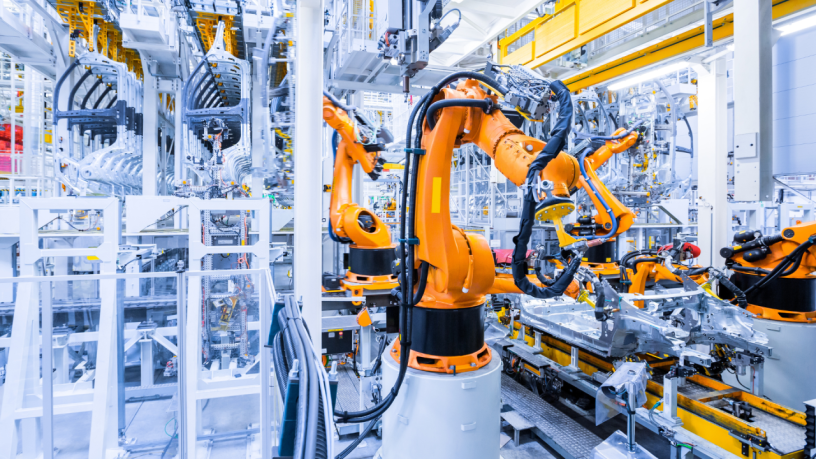
Industries form the backbone of economies, driving innovation, creating jobs, and providing essential goods and services. The term “industry” encompasses a wide array of sectors, each contributing uniquely to the global market. Understanding how these industries operate, adapt, and evolve is key to grasping their impact on both the economy and society. Here’s an in-depth look into the components, influences, and current trends within various industries.
1. Dissecting Industry Sectors
Industries can be broadly categorized into four main sectors, each with its own distinct role:
- Primary Sector: This sector is foundational, involving the extraction and harvesting of natural resources. Key areas include agriculture, mining, forestry, and fishing. These industries provide the raw materials necessary for further processing and production, making them crucial to the supply chain.
- Secondary Sector: Known for its focus on manufacturing and construction, the secondary sector transforms raw materials from the primary sector into finished products. This includes industries like automotive manufacturing, electronics, and construction. The secondary sector is pivotal in adding value and creating tangible goods.
- Tertiary Sector: Unlike the first two sectors, the tertiary sector is service-oriented. It includes industries that provide services rather than products, such as retail, hospitality, healthcare, and education. This sector is integral in supporting other industries and meeting the everyday needs of consumers.
- Quaternary Sector: This emerging sector emphasizes knowledge-based activities such as research and development (R&D), information technology, and financial services. The quaternary sector is increasingly significant due to its role in driving innovation and supporting advanced industries through intellectual and technical expertise.
2. Key Influences on Industry Dynamics
Several factors contribute to the dynamic nature of industries:
- Technological Advancements: Technological progress is a major driver of industry change. Innovations like artificial intelligence (AI), automation, and the Internet of Things (IoT) are reshaping industries by enhancing efficiency, productivity, and capabilities. For instance, AI in manufacturing leads to smart factories with predictive maintenance, while IoT connects various devices for better data collection and analysis.
- Globalization: The expansion of global trade and interconnected markets has transformed how industries operate. Companies now engage in international supply chains, sourcing materials and selling products across borders. This global reach presents opportunities for growth but also introduces challenges such as navigating different regulatory environments and cultural differences.
- Consumer Preferences: Shifts in consumer behavior significantly impact industries. Modern consumers are increasingly focused on sustainability, ethical practices, and personalized experiences. Industries are responding by adopting greener practices, ensuring ethical sourcing, and utilizing data to offer customized products and services.
- Economic Factors: Economic conditions influence industry performance. Factors such as economic growth, inflation rates, and consumer spending patterns affect demand for goods and services. Industries must adapt to these fluctuations to maintain stability and capitalize on emerging opportunities.
- Regulatory Changes: Compliance with government regulations is crucial for industries. Environmental regulations, labor laws, and trade policies can affect operational costs and business strategies. Staying updated on regulatory changes and implementing compliant practices is essential for avoiding legal issues and maintaining a good corporate reputation.
3. Current Trends Shaping Industries
Industries are constantly adapting to new trends that influence their development:
- Digital Transformation: The integration of digital technologies is transforming traditional business models. Cloud computing, big data, and digital marketing are examples of how industries are leveraging technology to enhance operations, improve customer engagement, and streamline processes.
- Sustainability Practices: There is a growing emphasis on environmental sustainability. Industries are investing in renewable energy, reducing waste, and adopting circular economy principles. Companies that prioritize sustainability not only contribute to environmental preservation but also meet the increasing consumer demand for eco-friendly products and practices.
- Personalization: In response to changing consumer expectations, industries are focusing on personalization. Through data analytics and machine learning, companies can offer tailored experiences, from customized product recommendations to personalized marketing messages. This approach enhances customer satisfaction and loyalty.
- Remote Work: The rise of remote work has redefined traditional workplace structures. Industries are adopting flexible work arrangements and investing in digital tools to support remote collaboration. This shift presents both opportunities for increased flexibility and challenges in maintaining team cohesion and productivity.
4. Challenges and Opportunities
Every industry faces unique challenges and opportunities that shape its trajectory:
- Competitive Pressures: Intense competition drives innovation and efficiency but can also compress profit margins. Companies must continually innovate, differentiate their offerings, and improve operational efficiency to stay ahead of competitors.
- Supply Chain Management: Global supply chains are vulnerable to disruptions from events like pandemics or geopolitical tensions. Industries must develop resilient supply chain strategies, including diversifying suppliers and increasing inventory flexibility, to mitigate risks.
- Talent Acquisition: Attracting and retaining skilled talent is a significant challenge. Industries must offer competitive compensation, career development opportunities, and a positive work environment to attract top talent and reduce turnover.
- Emerging Markets: Exploring new and emerging markets presents substantial growth opportunities. These markets often have increasing demand and less competition, making them attractive for expansion. However, they also come with unique challenges such as different regulatory environments and market dynamics.
In summary, understanding the intricacies of modern industries requires a comprehensive look at sector roles, influencing factors, current trends, and specific challenges and opportunities. By staying informed and adaptable, businesses can navigate the complexities of their respective industries and harness opportunities for growth and success.
 The Best Business Blog