
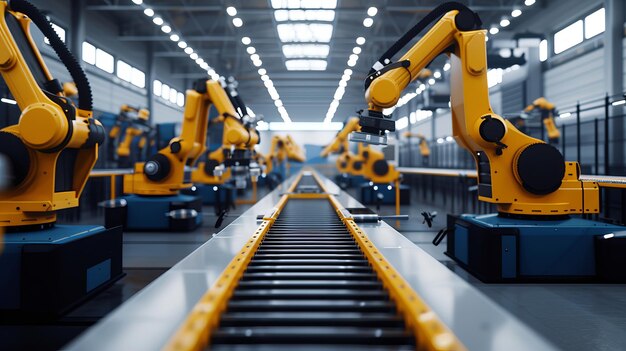
In today’s interconnected world, the concept of industry encompasses more than just manufacturing or production. It reflects the ever-evolving landscape where businesses adapt to technological advancements, market demands, and socio-economic changes. Here’s a detailed examination of how various industries function, the factors driving their transformation, and the key players shaping their future.
1. The Foundation of Industry Sectors
Industries are categorized into different sectors based on the type of goods or services they provide. The primary sectors include:
- Primary Sector: This involves the extraction and harvesting of natural resources. Agriculture, mining, forestry, and fishing fall under this category. It forms the base of the industry by providing raw materials for further processing.
- Secondary Sector: This sector focuses on manufacturing and processing. It transforms raw materials from the primary sector into finished goods. Examples include automotive manufacturing, textile production, and construction. The secondary sector is crucial as it adds value to raw materials through various production processes.
- Tertiary Sector: This includes services rather than goods. It encompasses a wide range of activities such as retail, entertainment, financial services, and healthcare. The tertiary sector is vital for providing the necessary services to support both the primary and secondary sectors and the general population.
- Quaternary Sector: A more recent addition to the traditional sectors, the quaternary sector is centered around knowledge-based activities involving research and development (R&D), information technology, and consulting services. This sector is increasingly significant in driving innovation and economic growth.
2. Drivers of Industry Change
Several factors contribute to the continual transformation of industries. Key drivers include:
- Technological Advancements: Innovations such as artificial intelligence, automation, and big data analytics are reshaping industries. For example, in manufacturing, automation has led to increased efficiency and precision, while in finance, blockchain technology is redefining transaction security and transparency.
- Globalization: The integration of global markets has expanded business opportunities and competition. Companies now operate on a global scale, leading to increased trade and the emergence of international supply chains. Globalization also necessitates adaptability to various regional regulations and market demands.
- Consumer Preferences: Shifts in consumer behavior influence industry trends. With a growing emphasis on sustainability and ethical practices, industries are adapting by incorporating environmentally friendly practices and transparency in their operations. Companies that align with these values are more likely to gain consumer trust and loyalty.
- Economic Factors: Economic conditions such as inflation, interest rates, and economic growth impact industry performance. For instance, during periods of economic downturn, industries may experience reduced consumer spending and investment. Conversely, economic booms can lead to increased demand and expansion opportunities.
- Regulatory Changes: Government policies and regulations play a crucial role in shaping industries. Compliance with environmental regulations, labor laws, and trade policies can affect operational costs and business practices. Industries must stay informed and adaptable to regulatory changes to ensure compliance and mitigate risks.
3. Key Industry Trends
Understanding current trends is essential for businesses to remain competitive and innovative. Notable trends include:
- Digital Transformation: The adoption of digital technologies is transforming how businesses operate. From cloud computing to digital marketing strategies, industries are leveraging technology to enhance efficiency, customer engagement, and data management.
- Sustainability Initiatives: There is a growing emphasis on sustainable practices across industries. Companies are investing in green technologies, reducing carbon footprints, and adopting circular economy principles to minimize waste and environmental impact.
- Customization and Personalization: Consumers increasingly expect tailored products and services. Industries are responding by utilizing data analytics to offer personalized experiences and customized solutions that meet individual preferences and needs.
- Remote Work and Collaboration: The rise of remote work has changed how industries approach workforce management and collaboration. Businesses are investing in digital tools and platforms to facilitate remote work and maintain productivity across distributed teams.
4. Industry Challenges and Opportunities
Every industry faces unique challenges and opportunities. Some common challenges include:
- Competition: Intense competition can drive innovation but also pressure profit margins. Companies must continually innovate and differentiate themselves to maintain a competitive edge.
- Supply Chain Disruptions: Global events, such as the COVID-19 pandemic, have highlighted vulnerabilities in supply chains. Industries must build resilience and develop strategies to manage supply chain disruptions effectively.
- Talent Acquisition and Retention: Attracting and retaining skilled talent is a critical challenge. Industries must offer competitive benefits, career development opportunities, and a positive work environment to attract top talent.
Conversely, opportunities for growth abound:
- Emerging Markets: Expansion into emerging markets presents significant growth opportunities. These regions often offer untapped potential and increasing consumer demand.
- Innovation: Investing in research and development can lead to breakthroughs that drive industry growth and transformation. Companies that prioritize innovation are better positioned to adapt to changing market conditions.
In summary, the modern industrial landscape is complex and dynamic, influenced by a multitude of factors ranging from technological advancements to shifting consumer preferences. Understanding these elements and staying abreast of industry trends can help businesses navigate challenges and seize opportunities for growth.
 The Best Business Blog